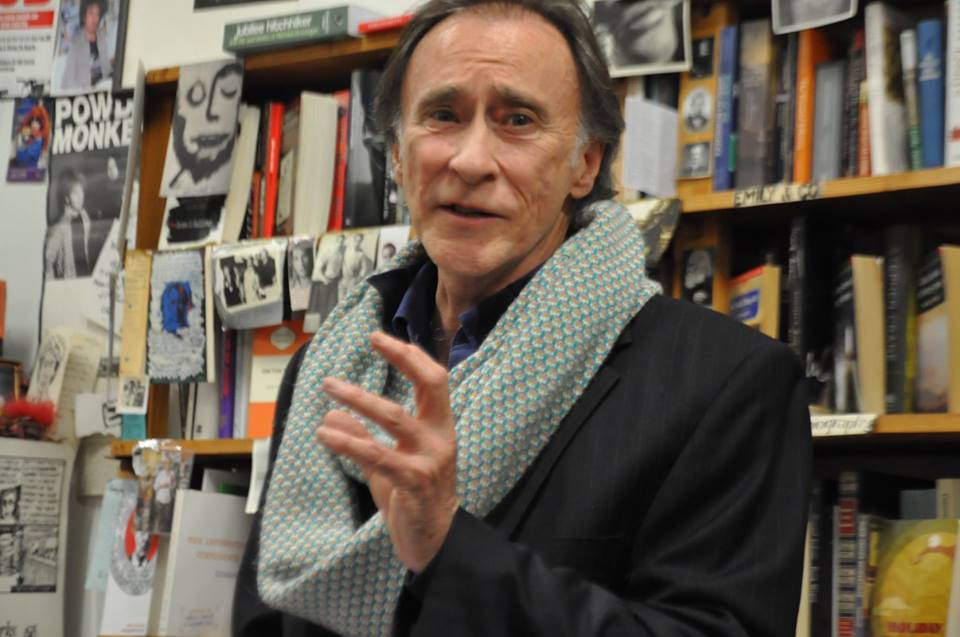
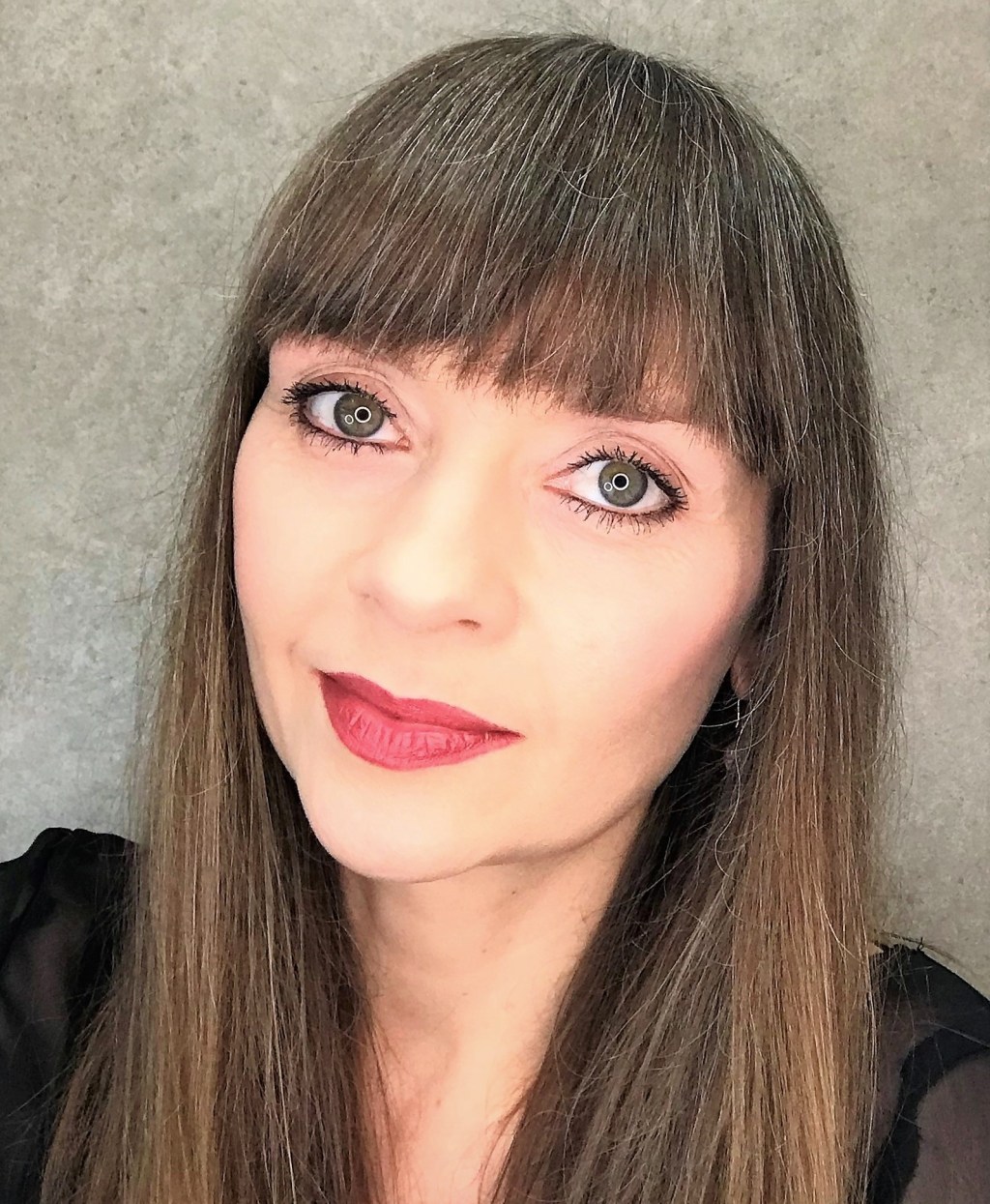
I wrote the first lines of a poem in 1970 and didn’t write creatively again until late 2013 when I tuned 60 years of age. I finished that poem for a workshop with Mark Tredinnick who told me I, “demanded a lot of the reader but it was worth the journey”.
I suppose that was the moment, along with The Age and The Sydney Morning Herald placing a poem in the then Saturday Spectrum in May 2014, and then a number of placings in local and international poetry competitions in quite rapid succession.
It must have all been bottled up there somewhere and got released nearing retirement.
Here is a digest of active publishing opportunities, prizes, and open calls across creative writing and visual arts for the week of Saturday, 3 October 2026:
Category: Poetry (single poem, maximum 60 lines, open theme)
Eligibility & Rules: Open to all poets writing in English worldwide. Poems must be original and previously unpublished.
Prizes & Entry Fee: AU$6,000 first prize; AU$1,000 for each of four shortlisted poets (AU$10,000 total pool). All shortlisted poems are published in *ABR*. Entry fee is AU$30 (AU$20 for current ABR subscribers). Details and listing also available via Writing NSW’s October Calendar.
Category: Short fiction or creative non-fiction/memoir
Eligibility & Rules: Open to writers aged 18+ internationally. Submissions must explore themes of hope, courage, or resilience; maximum 5,000 words (no minimum); double-spaced. Submit via The Hope Prize Submission Portal.
Prizes: AU$13,000 total prize pool (AU$10,000 first prize supported by Simon & Schuster Australia and Readings Books; AU$2,000 second; AU$1,000 third). Winning and highly commended stories will be published in a Simon & Schuster anthology.
Eligibility & Rules: Stories between 2,000 and 5,000 words incorporating classic elements of suspense, mystery, investigation, or crime. Presented in association with the Australian Crime Writers Association.
Prizes & Entry Fee: $1,000 first prize; entry fee $35.
Eligibility & Rules: Open to unagented writers who are residents of Australia and New Zealand. Requires a one-page synopsis, author bio, and sample chapters (first 50 pages) submitted via their online agency portal.
Category: Short fiction (up to 3,000 words), poetry (up to 3 poems per submission), and creative essays
Guidelines & Payment: Actively seeking progressive and experimental writing. Accepted print and online contributors receive standard industry rates (AUD $150–$500+ depending on genre and format).
Closing Date: 7 October 2026 (Urgent upcoming deadline)
Mediums: 2D and 3D visual art (drawings, paintings, sculpture, works on paper)
Prizes & Opportunities: Major prize includes a $5,000 cash award, a solo exhibition at Defiance Gallery (Sydney), return flights, and a 2-week residency at the Giverny Artist Residency in Queenstown, New Zealand. Finalists exhibit in February 2027.
Closing Date: Final extension closing early October 2026
Mediums: Drawing in any traditional or expanded contemporary medium
Prizes: $15,000+ total prize pool supported by The Tall Foundation, accompanied by a finalist exhibition at M16 Artspace in Canberra. Open to artists across Australia.
Mediums: Fine art photography, photo-collage, and multi-panel photographic series
Exhibition & Publication: Up to 47 works selected for an online exhibition running October–December 2026, with 27 works chosen for “The 27”, a limited-edition hardbound exhibition catalogue. Entry fee: $40 for the first 5 images.
Red Ogre Review (December 2026 Issue): Open calls for digital visual art, drawings, and photography to be featured alongside literature.
Phosphorescent Lit (Issue 3 Visual Art): Accepting stand-alone artwork and photography portfolios responding to the “Fever” theme through 16 November 2026.
The Montreal International Poetry Prize was founded and incorporated as a not-for-profit organization in 2010 by the poet and critic Asa Boxer, with the help of Peter Abramowicz and Len Epp. It sponsors a crowd-funded biennial competition, awarding one prize of $20,000 to one poet for a single poem.
The Montreal International Poetry Prize has become a truly global competition, supported by its international jury of award-winning poets from North America, the Caribbean, the UK, Ireland, Australia, New Zealand, India, Nigeria, and Uganda, and with participants from more than 100 countries.
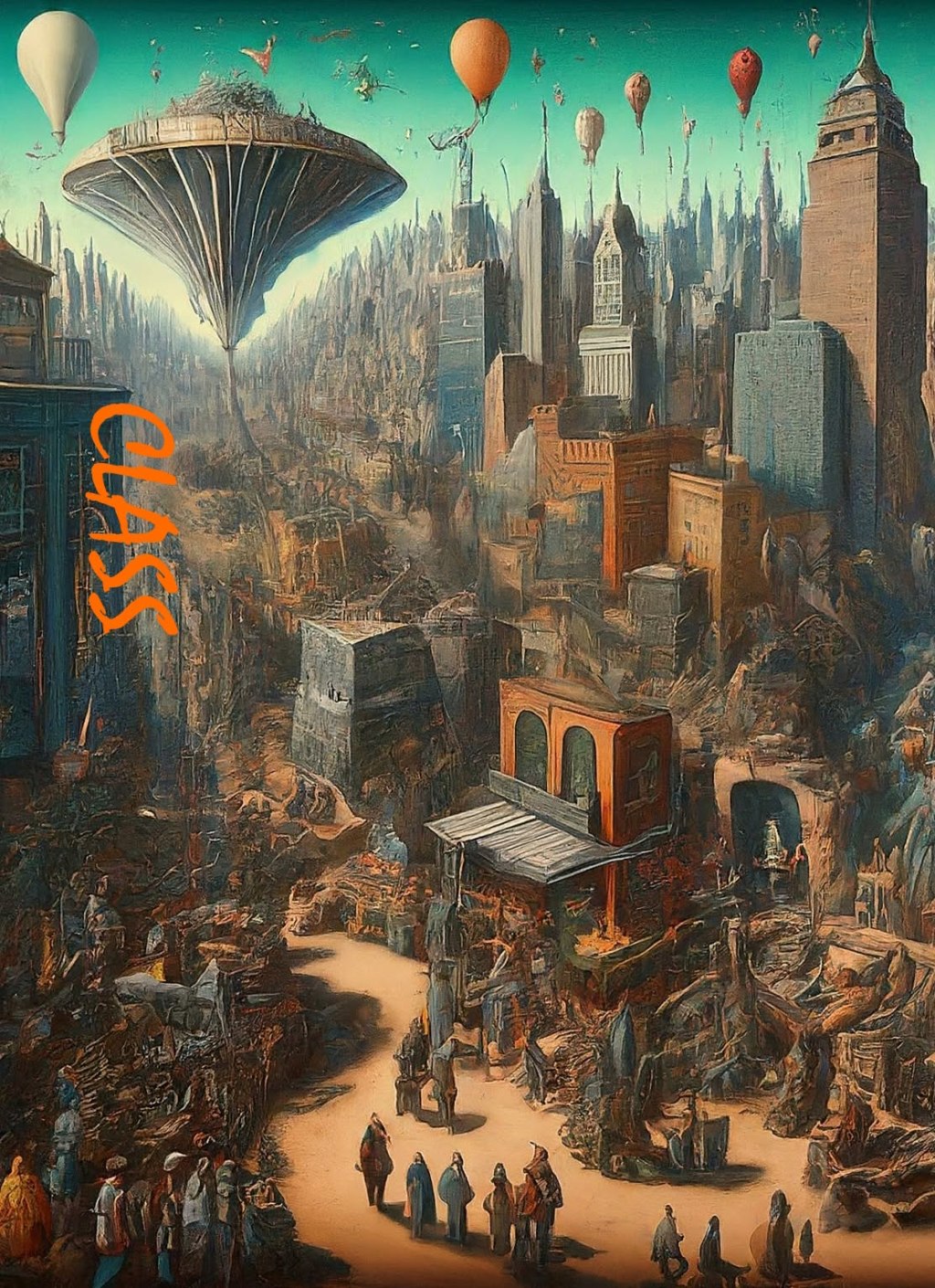
Les Wicks gathered an international crowd to build the poetry anthology ‘Class’, published in Australia in 2024 by Meuse Press. The book grew directly out of debates held in Canada and India across 2023 and 2024. It tackles the reality of economic divides during an era when the gap between rich and everyone became extreme.
Instead of pushing a single political line, this collection serves up a mixture of human friction. Dozens of writers contribute, including Jeltje Fanoy, PiO, Vaughan Rapatahana, Marra PL. Lanot, and Gabriel Rosenstock. These poems break through social walls, exposing human vulnerability and the stubborn fight for common ground.
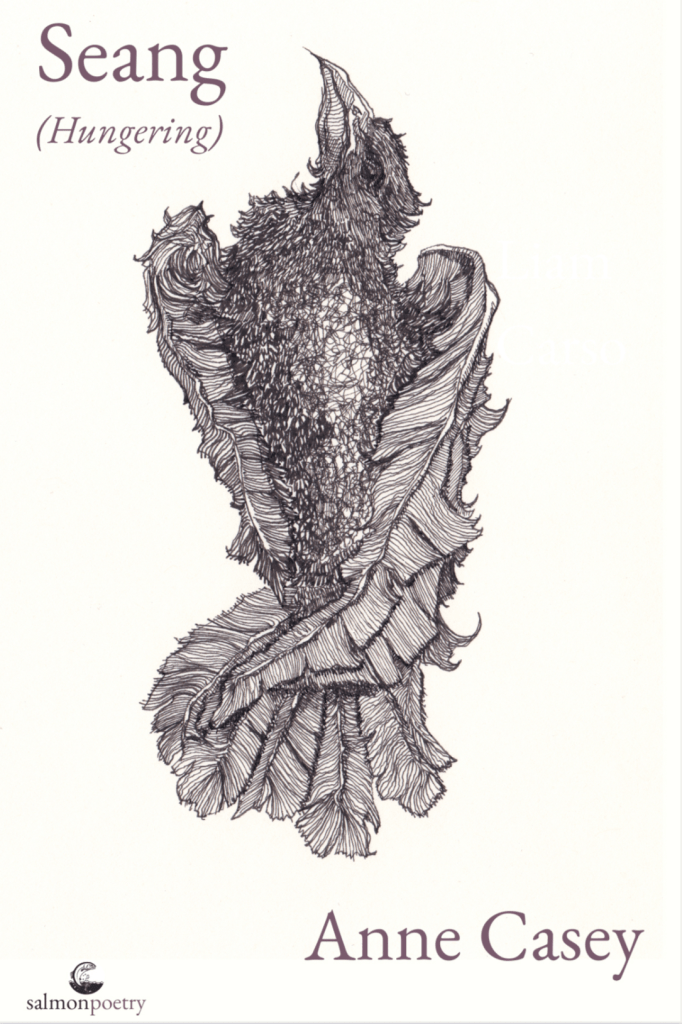
Over time, grief and loss change shape. So much of what remains lives in gesture, language, and the things we learned without ever formally being taught them. I know there are those of you out there who have lost the most important people in your lives, and I often find myself thinking about this great mystery. What is this life if it were not for them? To have learned, to have watched closely, to have listened, and now, without being told, to know where to place our hands. I think I can make some guesses about life and its meaning, but I cannot make sense of death, or what life there may be after it. I believe in the mystery of it all, and can only really rely on memory, however inaccurate memory itself may sometimes be. Perhaps memory is the afterlife. I wrote this poem about my father, and I was fortunate enough to have it included in the Montreal Poetry Prize anthology in 2020.
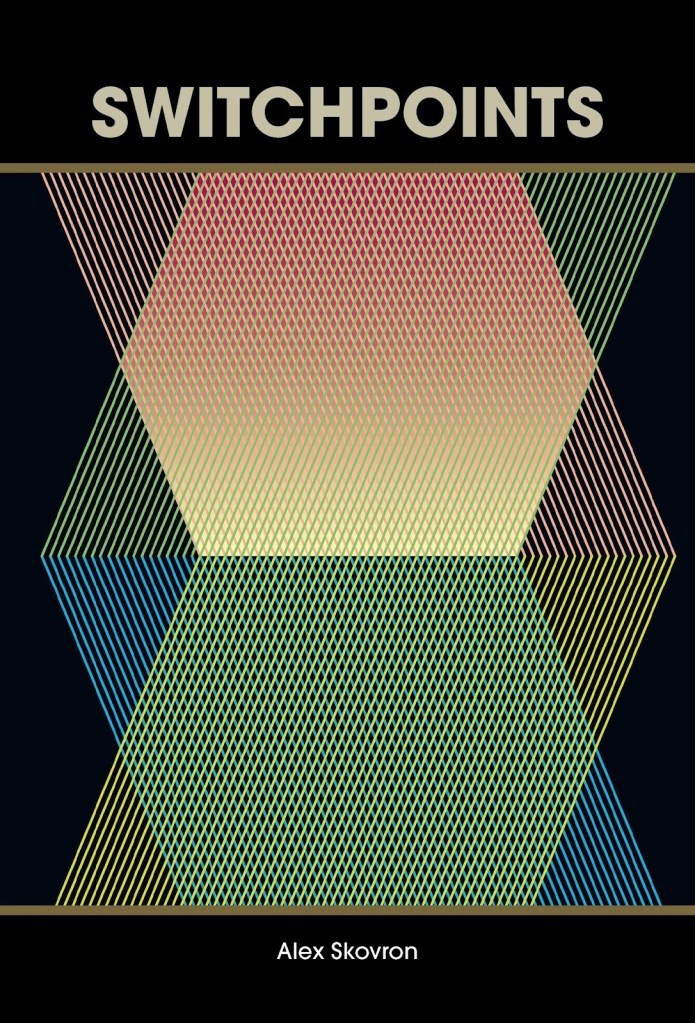
Alex Skovron’s new book, Switchpoints, is a collection of 100 narratives in prose and verse. It was published in March 2026. A link to the publishers, Puncher & Wattmann, can be found at the foot of this page.
A philosopher sets about compiling an encyclopaedia of embraces; an artist accuses her mirror of a lifetime of dishonesty; a flâneur collects melodies from the faces of passing strangers; an author envisions the ultimate map charting every single move of his existence; a girl dreams of a magic box that would tell her everything …
Switchpoints, Alex Skovron’s twelfth book, is a collection of 100 short narrative pieces, some in prose, others in verse. It is inhabited by a broad assortment of individuals of all ages, from children to the elderly, visited at particular and possibly significant moments in their daily life—moments of doubt or discovery, inertia or inspiration, of personal reflection, reminiscence or philosophical musing. There are skewed apprehensions and tender recognitions, lingering regrets and poignant realizations—‘switchpoint’ moments that trigger a jolt in thought or demeanour, or signal a shift in viewpoint or sense of self; or may not. The prod might be a line from a novel or poem, a painting or a piece of music, a landmark, a famous disaster, or perhaps no more than a sudden idea, a fading dream or an elusive recollection. Underpinning it all is a fascination with the workings of mind, the riddles of memory, the mystique of time.
This is the offiicial WestWords YouTube channel. WestWords is dedicated to celebrating and championing the stories of the people, places and cultures that comprise the heart of Western Sydney. WestWords Centre for Writing is based in Parramatta. A guiding philosophy of WestWords is a belief in the power of literature and literacy (written, oral and visual), self-expression and creativity to change lives and the experience of communities. With a strategic focus on children and young people and through a comprehensive program of workshops, residencies, fellowships and support for writers we offer professional opportunities for the growth of distinctive voices. WestWords’ […]
Aesthetica is a worldwide destination for art and culture. In-depth features foreground today’s most innovative practitioners across art, design, photography, architecture, music and film.
Submission to Cordite 122: THRUM, with poetry guest-edited by Thabani T. Tshuma and Georgia Kartas, closes 11.59pm Melbourne time on 4 October 2026. We celebrate 30 years of publishing in 2026. Ple…
Jacaranda Journal is a literary publication in Brisbane known for its commitment to empowering emerging writers and showcasing the best new Australian poetry, short fiction, and creative non-fiction.
Important Dates December 18, 2026 Works published between July 1 and December 31, 2026 are to be received by the third Friday in December to be considered for the 2027 Griffin Poetry Prize March 24, 2027 Griffin Poetry Prize Longlist Announcement April 21, 2027 Griffin Poetry Prize Shortlist Announcement MAY 5, …
Poets Directory is on Facebook. Join Facebook to connect with Poets Directory and others you may know. Facebook gives people the power to share and makes the world more open and connected.
The Peter Porter Poetry Prize, presented by Australian Book Review, is one of Australia's most prestigious prizes for a new poem. The Prize – now open to all poets writing in English – is named after the great Australian poet Peter Porter (1929–2010). The Prize was first awarded in 2005 (Stephen Edgar) and was renamed in 2011, following Peter Porter's death.
Poetry Sydney is an independent literary organisation committed to a presence for poetry in our culture.
The Australian Poetry Publishers directory is a portal for poets to have their poems published, to encourage Australian poetry to be purchased and to support Australian Poetry Publishers in enabling poets to have the opportunity to be published. Publishers on this list are those who publish poetry within Australia.